
If you had to give one life-changing tip, what would it be?
“Be yourself.” Most of us have heard this line at least once, perhaps on a billboard or tucked into an advertisement. It’s become such a cliché that its meaning often slips away. Yet, beneath those two words lies a strength that can be interpreted in countless ways.
Like many motivational phrases, its meaning shifts depending on who hears it. In today’s world, where right and wrong seem to change with circumstance, “be yourself” can be a life-affirming call to embrace imperfection. But for someone blinded by narcissism, it can become a justification for harmful traits. That’s why I believe the phrase needs an unspoken addition: Be yourself — but do not destroy another.
You cannot truly be yourself if your choices trample someone else. Selfishness in moderation is healthy. Walking away from a toxic situation is not weakness; it is strength. Some may call you fragile for leaving without “making the other pay,” but in truth, it takes far more courage to walk away than to stay and retaliate.
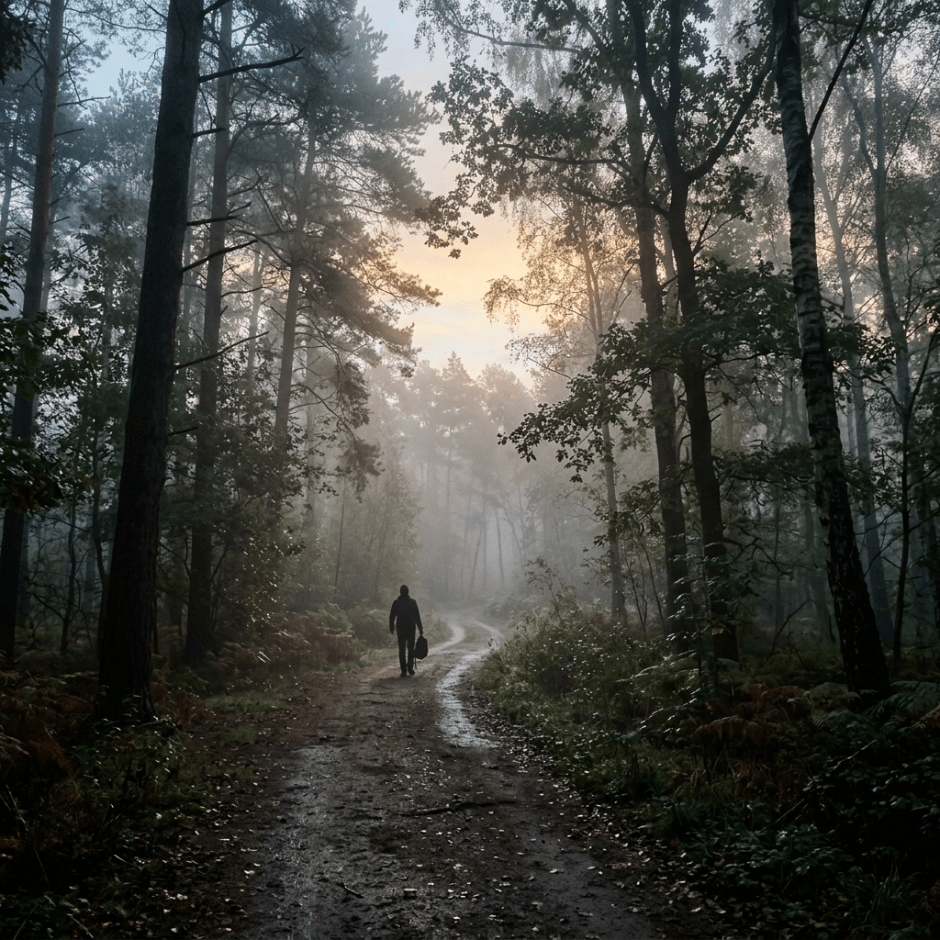
Most people carry pain — not the physical kind, but the soul-crushing kind. The world is crueler than it appears on the surface, and we rarely know what battles others are fighting. Never change for someone who only wants to mold you into their world. Change for someone who wants to grow with you, to build a shared space where both can belong. And sometimes, walking alone is also being true to yourself — because solitude can be the path to finding your place in the world.
In the end, being yourself is not about defiance or conformity, but about choosing a way of living that honors your truth without diminishing another’s. It is about carrying kindness alongside authenticity, and realizing that the most genuine version of yourself is the one that makes space for both courage and compassion.
 Word Hues