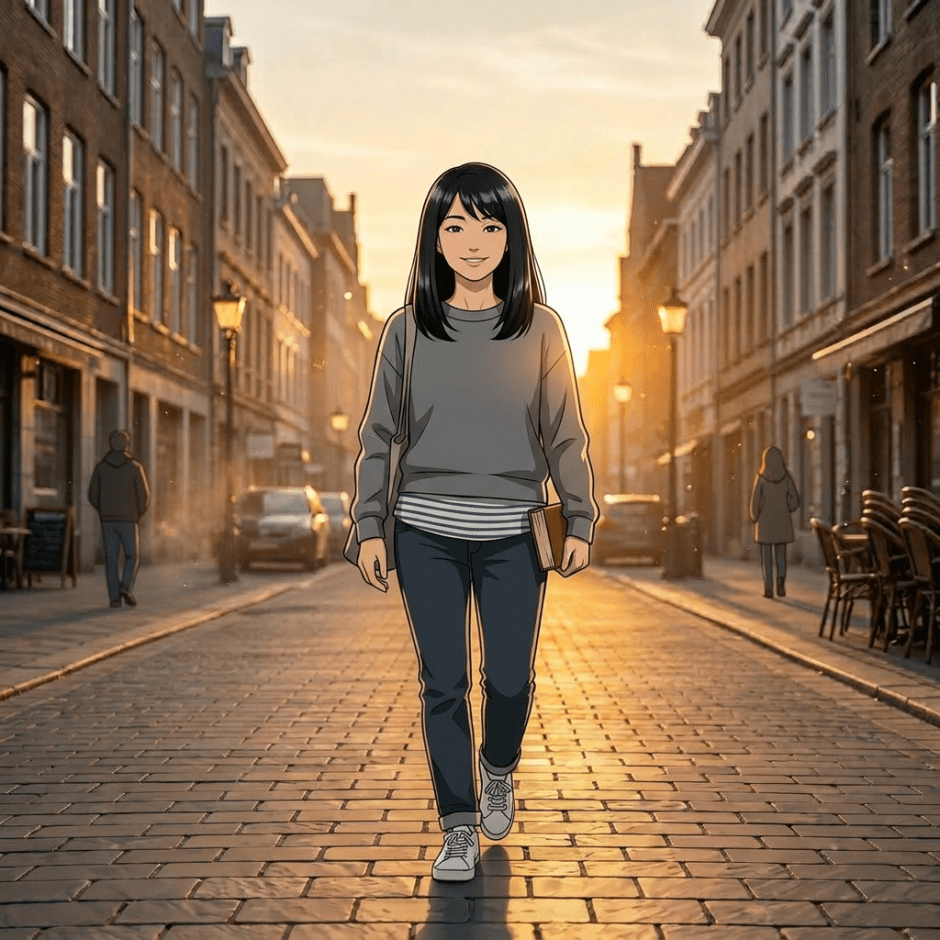
What does being free mean to you?

I am extremely grateful to be born free.

But what does being free actually mean in today’s world. You read about the history where there was extreme cases of slavery, an era whenhumans were considered less than animals. There was no free will people lived according to the rules set by the masters. Where breathing was also done without the permission of their master.

The extreme cases makes you loose your mind. Those people struggled to determine their worth in this world they fought for their voice to be hoard in this world and through immense sacrifice they finally succeeded.

we are free from this struggle but are we really free?

The society that we live in today has created new chains.

We are boundby society’s expectation and the constant pressure of having to match what society deems appropriate slowly crashes the person from within. Today I can buy what I want and I can eat what I want and ican dress the way I want to. But still I hesitate with the one thought running in my head what will people think of me? And somehow I am paralyzed to the world’s expectation. Today you cannot see the physical chains that bind, they are the chains of my mind that are choking the life out of me.

So I ask you – Are you really born free?
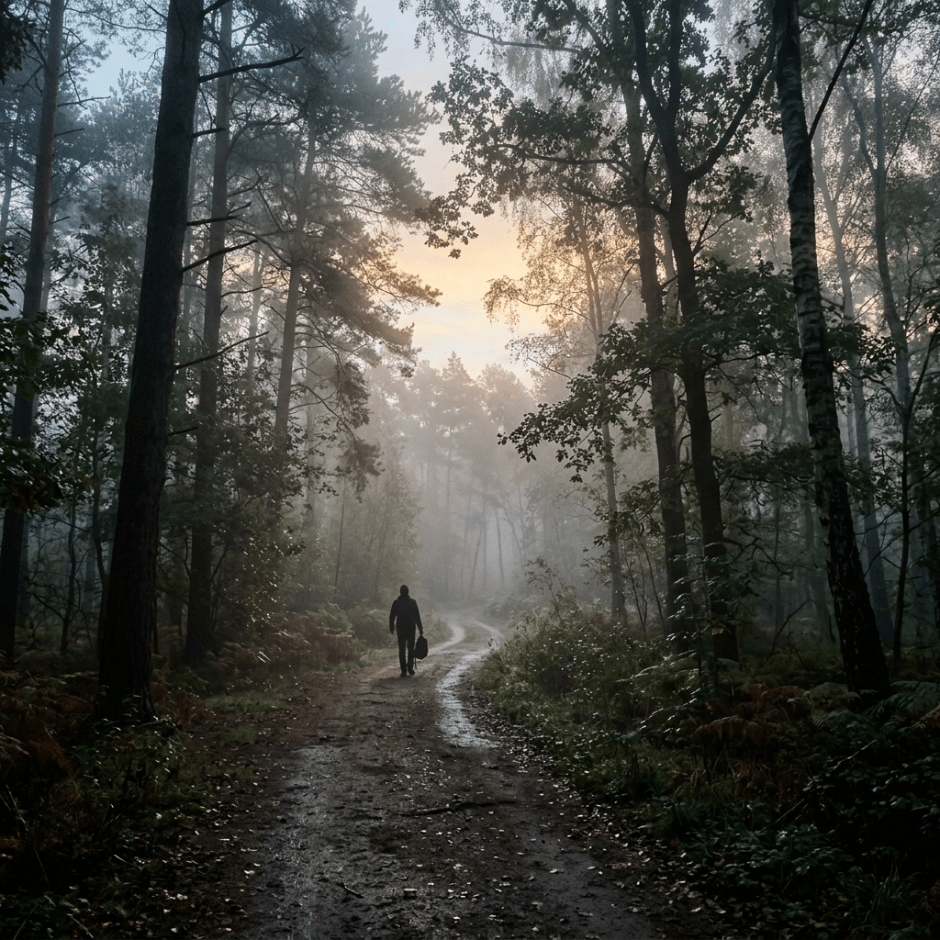
Be yourself but more

If you had to give one life-changing tip, what would it be?

“Be yourself.” Most of us have heard this line at least once, perhaps on a billboard or tucked into an advertisement. It’s become such a cliché that its meaning often slips away. Yet, beneath those two words lies a strength that can be interpreted in countless ways.

Like many motivational phrases, its meaning shifts depending on who hears it. In today’s world, where right and wrong seem to change with circumstance, “be yourself” can be a life-affirming call to embrace imperfection. But for someone blinded by narcissism, it can become a justification for harmful traits. That’s why I believe the phrase needs an unspoken addition: Be yourself — but do not destroy another.

You cannot truly be yourself if your choices trample someone else. Selfishness in moderation is healthy. Walking away from a toxic situation is not weakness; it is strength. Some may call you fragile for leaving without “making the other pay,” but in truth, it takes far more courage to walk away than to stay and retaliate.

Most people carry pain — not the physical kind, but the soul-crushing kind. The world is crueler than it appears on the surface, and we rarely know what battles others are fighting. Never change for someone who only wants to mold you into their world. Change for someone who wants to grow with you, to build a shared space where both can belong. And sometimes, walking alone is also being true to yourself — because solitude can be the path to finding your place in the world.

In the end, being yourself is not about defiance or conformity, but about choosing a way of living that honors your truth without diminishing another’s. It is about carrying kindness alongside authenticity, and realizing that the most genuine version of yourself is the one that makes space for both courage and compassion.

Coping with the Emotional Currents

Daily writing prompt
What’s the best way to deal with negative thoughts?

I am probably not the right person to answer this. People say you learn to handle things better over time, that practice makes you stronger. But in my case, the skill of dealing with negative thoughts has taken a downward trajectory. As a child, my approach was simple: I replaced negative thoughts with happy memories. That remains, to this day, the most effective tactic I’ve ever used. Since then, however, my strategies have spread like wildfire — often destructive rather than helpful.

Case in point: Strategy One — Compartmentalize and deal with it later. On the surface, this is a sound idea. I’ve learned to compartmentalize effectively, but the “deal with it later” part rarely happens. Instead, those compartments pile up. And there’s only so much space you can create before it all spills over, leading to an epic breakdown. I’ve had more than a few of those. You’d think I would have learned to process my bad thoughts at the right time, but that hasn’t been the case. Instead, I’ve scolded myself for being older now, telling myself I should simply be stronger.

Strategy Two — Analyzing the situation (or rather, overanalyzing). This one is even trickier. I start with the intention of figuring out what went wrong and how I can improve. But instead of constructive reflection, I turn cruelly critical. I list out, in excruciating detail, why I am the reason for everything wrong — not just in the situation, but in everything happening around me. That blame session drags on for days, until I’m mentally exhausted, and inevitably, another breakdown follows.

I don’t know if there’s a universally effective way to deal with negative emotions. I suspect it’s different for everyone. Some people probably use compartmentalizing and analyzing in healthy, productive ways. For me, though, the one thing that consistently works is writing. Whenever I feel overwhelmed, drowning in emotions, I grab a random piece of paper and pen and write it all down. The result is often depressing poems, but by the end, I feel lighter — as though a weight has lifted from my shoulders. Writing doesn’t solve the situation, but it acknowledges my feelings. And that acknowledgment makes all the difference.

Inspirations

Daily writing prompt
Who are you most inspired by?

As a child, I probably would have named a famous person as my inspiration — someone the world had already deemed successful. Ironically, I don’t even remember those childhood idols anymore.

Today, my inspirations are not people themselves, but rather their actions. You don’t have to achieve great things in life. You don’t have to be famous or popular. A person can be an inspiration simply by standing up for what is right. A child defending a friend against bullies, a parent protecting their child’s dignity when others condemn them for low grades, a job seeker walking into an interview after being laid off, a girl demanding her right to education, a survivor holding their head high despite society’s judgment — each of these moments carries a quiet, powerful courage.

In those moments, they become an inspiration because of their pure moral strength. Their courage to keep fighting, to keep moving forward, matters more than physical strength or accolades. And in that moment, they give someone else the courage to stand up too — to face the odds, to keep fighting, even if success doesn’t come right away.

We all have weaknesses. Some are born from the people around us who broke our tiny dreams. Others come from self-doubt and criticism that tie us down, clipping the wings we once had as children. But inspiration is not about perfection. It’s about persistence. It’s about refusing to let those wounds define us.

I draw inspiration from the great actions of ordinary people I see every day. Their courage reminds me that inspiration doesn’t live in fame or fortune — it lives in the quiet strength of those who keep moving forward, no matter the odds. Inspiration is not a pedestal. It’s a spark. And sometimes, the smallest acts of courage light the brightest flames.

Don’t Give Up

Daily writing prompt
What’s your top tip to be successful in life?

Success is often painted as a grand destination — a shining trophy, a dream job, a house, or a title. But the truth is, success is far more personal, far more fluid, and far more humble than society makes it out to be.

As long as you don’t give up, you haven’t failed. That’s the most powerful life lesson I’ve learned. Life isn’t meant to be easy, and everyone carries their own challenges. What feels simple to one person might be someone else’s Mt. Everest.

Would I call myself successful? Honestly, I don’t think so. And maybe I never will. I was taught to always strive for better, to keep moving forward. I’ve achieved small goals — a degree, a job, milestones that others might call success. But for me, each achievement only opens the door to the next challenge.

If I earn a degree, the next step is finding a good job. If I secure that job, the next goal is saving enough to buy a home. For some, securing a job is the pinnacle of success. For me, it’s just one step on a longer journey.

The one truth that never changes is this: success comes to those who keep trying. Even when the world feels against you, even when everything seems to fall apart, resilience matters. Take the break you need. Step back if you must — even a hundred steps back. But always, always take that step forward afterward.

For me, success is simple: one day closer. Have you made it farther than you were yesterday? Not in comparison to someone else, but in comparison to yourself. If you are better today than you were yesterday, you are successful.

In a world that can be cruel and unforgiving, progress itself is victory. It may not look like success to everyone else, but it is yours — and that is more than enough.