Which fictional world would be the most fun to vacation in?
I think that if I could be part of a fictional world, it would most certainly be a world where magic exists. I love reading books that revolve around magic, special powers, and worlds that exist only in the imagination. There is something fascinating about the idea that reality can be shaped by creativity, courage, and a little bit of wonder.
Imagine using magic to complete daily chores that you don’t like doing. Laundry could fold itself, dishes could clean themselves, and cleaning the house would take only a few seconds. Imagine instant costume changes with no worries about surprise events or running late. Life would feel a little less stressful and a lot more fun.
But what interests me most is not the convenience. Imagine a world where you can heal nature and help people heal as well. Forests damaged by pollution could be restored overnight, rivers could run clear again, and barren land could become green and full of life. Magic could bring hope where there is despair and give people a second chance when they need it most.
While I wouldn’t want magic to be the solution to everything, it would be nice to have it for solving existential crises. Some challenges help us grow, and life would probably lose its meaning if every problem could be fixed with the wave of a hand. However, having a little magic to guide us through our hardest moments would make the burden easier to carry.
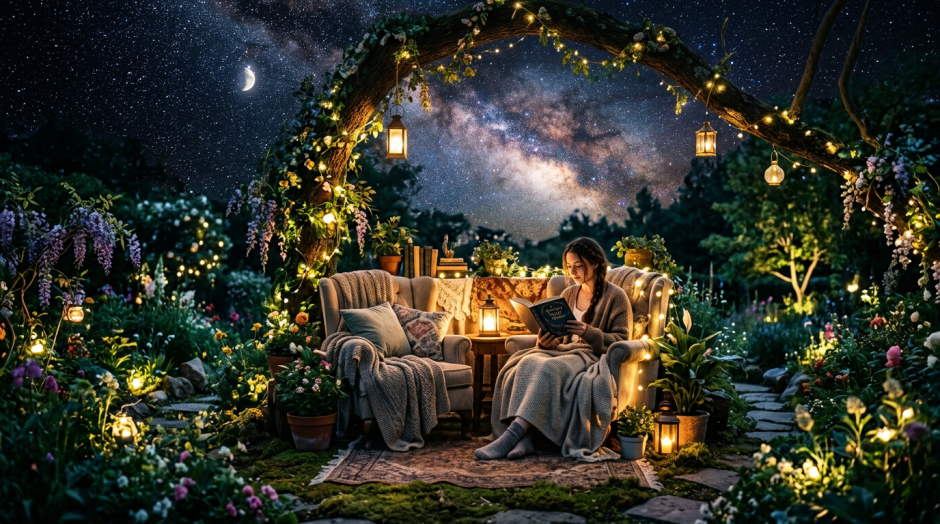
If I had magic, I could create the perfect world for myself: a quiet place surrounded by nature, endless libraries filled with books, cozy corners to read in, and enough peace to simply exist without worrying about the pressures of everyday life. Maybe I would even extend the hours in a day so I could finally do all the things I never seem to have enough time for. There are so many books I want to read, places I want to explore, and hobbies I want to try, but somehow the day always ends before I get to them.
And, if I am being completely honest, one of the first magic I would learn would probably be invisibility. Not forever, and not for grand adventures, but for those days when I simply cannot handle the world or the people in it. The days when every conversation feels exhausting and every expectation feels heavy. It would be nice to disappear for a little while, away from prying eyes, unsolicited opinions, and the constant need to be present.
In that invisible space, I could just exist. I could wander through forests, sit by a lake, read for hours, or watch the world go by without feeling like I had to participate in it. There is something comforting about the idea of being unseen, not because I want to hide, but because sometimes I want the freedom to experience the world without it experiencing me back.