The Notes of Change

Daily writing prompt
What’s a piece of media (book, movie, song) that changed how you see the world?

usic has always been present in my life. My mother sang in the choir, and my sister was blessed with a soulful voice. By the time I was six, I too joined the choir — and from the very first note, I loved singing.

At around ten or eleven, I began to pay attention not just to melodies but to the lyrics. That shift changed everything. Music was no longer just something I enjoyed when I was happy; it became something I deeply related to when I was upset.

The first song that has truly impacted me is “Seasons in the Sun”. Its farewell theme, filled with memories and goodbyes, resonated so strongly that I often cried when I heard it. Beyond its sadness, the song reminds us of the fragility of life and the importance of cherishing the people around us. In everyday life, it teaches me to value moments with family and friends, because time is never guaranteed. Sometimes it’s the words left unsaid that matter most, and this song pushes me to express love openly before it’s too late.

Another song that has stayed with me since childhood is “Walking Away”. Its laid-back tone contrasts with its powerful message about leaving behind toxic people and situations. It’s not just about endings; it’s about courage — the strength to step away from what no longer serves you. In daily life, this resonates whenever I face difficult choices, reminding me that peace often comes from letting go rather than holding on. It reassures me that seeking space isn’t selfish; it’s self-preservation, a necessary act of survival in a world that can be cruel.

Life has shifted in countless ways: genres, artists, circumstances. Yet one thing has remained constant — music. In times of turmoil, it brings me comfort and peace. Whether through melancholic songs that let me sit with my emotions or uplifting tracks that reignite my energy, music adapts to my journey and never leaves my side.

Music is more than sound; it’s memory, emotion, and healing. It has been my mirror when I needed to reflect and my lantern when I needed light. No matter what changes, music remains my most faithful companion — guiding me through everyday life with lessons of love, resilience, and hope.

Teach you a Lesson

Rating: 3.5 out of 5.

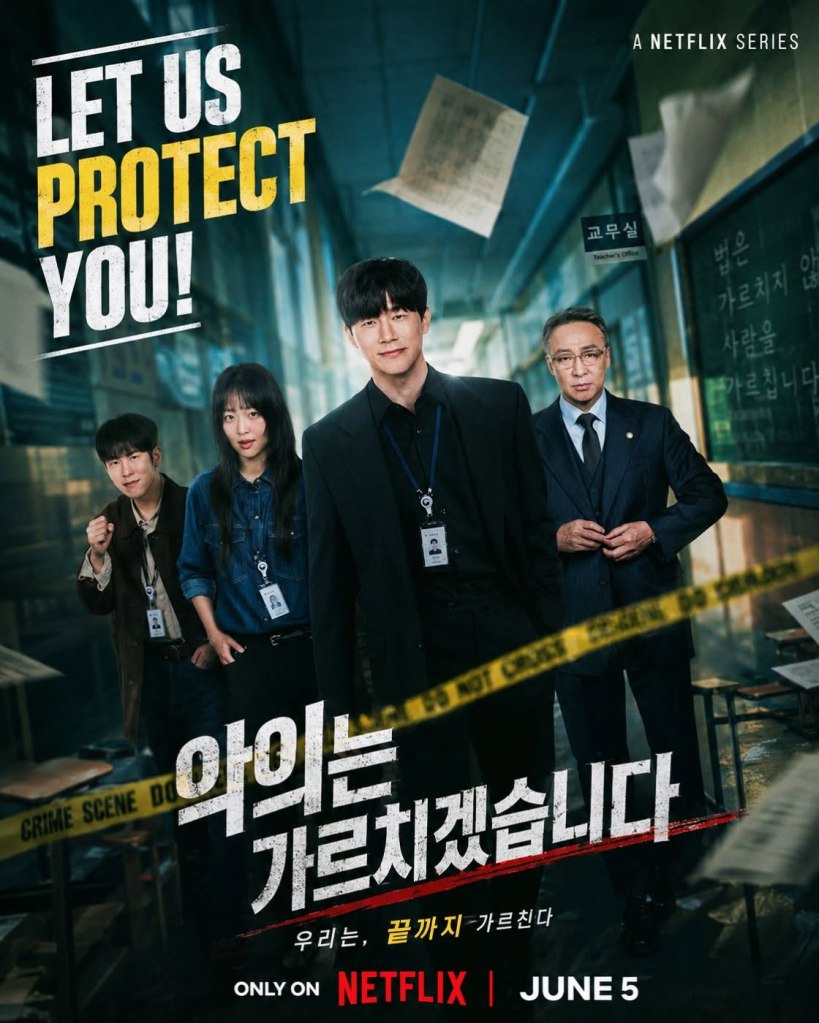
The Netflix series is adapted from the Naver webtoon Get Schooled which takes a bold look at the failures of Korea’s education system and the troubling leniencies given to juvenile offenders. In Korea, young offenders often receive lighter punishments due to their age, a loophole that has drawn many teenagers and young adults into crime. The series dramatizes this issue through the creation of the fictional Educational Rights Protection Board (ERPB), an agency formed after the tragic death of a teacher at the hands of a student. Its mission is to reform schools so that students can thrive regardless of their backgrounds, while ensuring that offenders are held accountable for the harm they cause.

Led by Education Minister Choi Gangseok, the ERPB team—Na Hwajin, Im Harim, and Bong Geundae—travels across the country to confront problematic schools. Their approach is uncompromising, using every method available to “straighten out” troubled students and teachers while tackling the root causes of dysfunction. This narrative highlights the importance of early intervention, showing that shaping children’s minds at the right age can prevent destructive adult behavior and, ultimately, reshape society.

The series is compelling in its social critique and gripping in its drama, but it leaves viewers wanting more depth in the characters’ backstories. While the focus on systemic reform is powerful, the show misses opportunities to explore how each ERPB member’s own school experiences shaped their moral drive to fix the system. I think that if there were more detailed flashbacks to their personal struggles of the team members could have added emotional resonance and made the characters more relatable. It feels as though the 10-episode format constrained the storytelling, prioritizing the reform narrative over character development and limiting its ability to connect deeply with viewers.

Despite these limitations, Get Schooled is definitely worth watching. It offers a refreshing take on education as crime prevention and demonstrates that the right actions taken at the right time can transform not just individuals but society as a whole.

Juvenile Justice

Rating: 4 out of 5.

The series revolve around the South Korean legal system.

In South Korea, children between 10-13 are sentenced to “reformation” which aims to for rehabilitation of the child back to society. However, children between 14-18 can be punished either with reformations or official punishment such as prison terms.

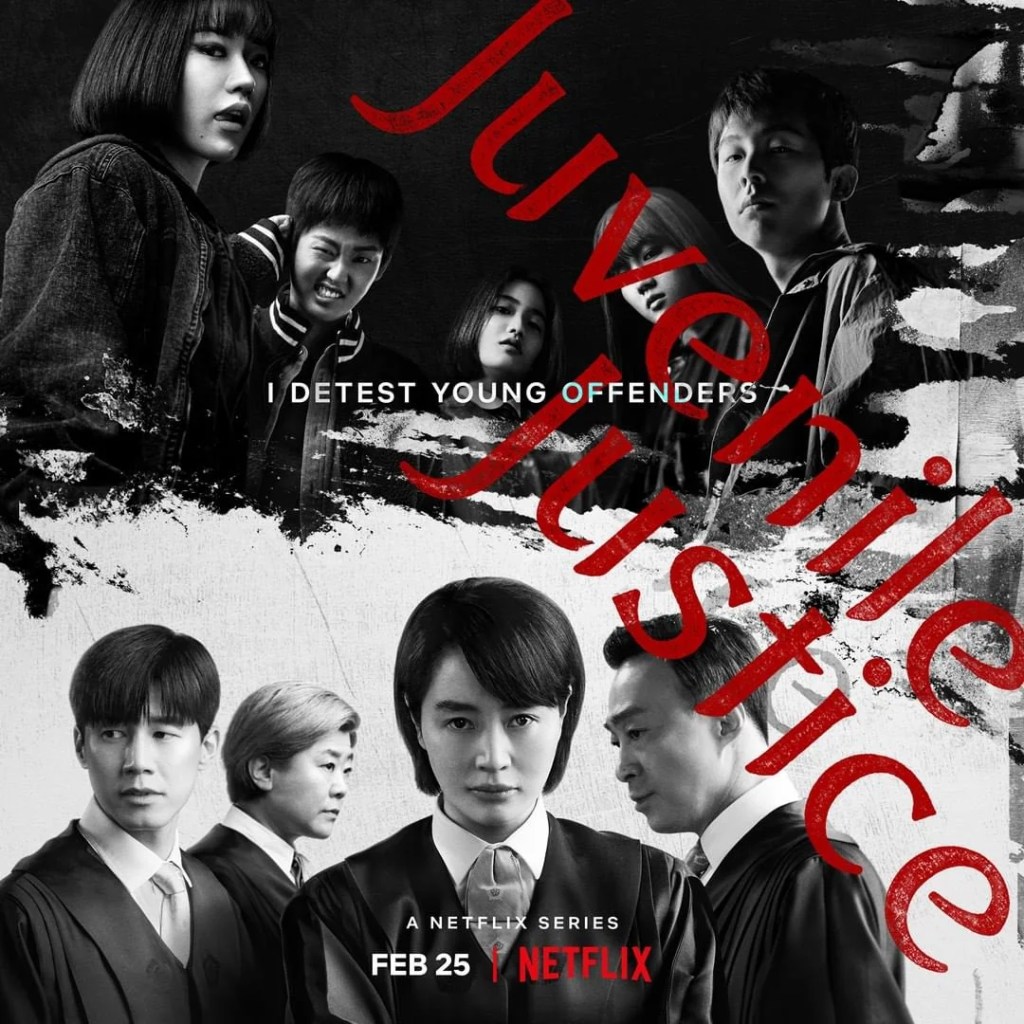
The series follows the story of Shim Eun-seok, a judge of the Juvenile Court who seems to harbor a strong dislike for juvenile offenders. At first look she seems like a cold hearted person with a vendetta to punish the children with the worst ruling that could be given.

Over the course of the series, the viewer will understand that Eun-seok is the kind of judge that goes above and beyond her job requirements. She sought to understand the mind set of the offender, to understand if there was any sought of genuine regret of the crime that was committed and not just taking the words that are spoken by them at face value. She is well aware that the lawyers that take up such cases try to give the offenders a loop hole to get the minimum sentencing possible.

In the series, we get a backstory to her life which puts a light on why was she so severe towards the juvenile offenders. We also see the life of another judge by the name of Kim Mu-yeol, who seems to be the other side of the coin. He believes in second chances and always believes that children when given enough care can be better. The series gives a peep into his past as well to understand the development of his character.

The series is definitely worth a watch in my opinion. The writer certainly knows how to tap into the emotions of the viewers helping one really connect with the main characters as well as the different situations faced by the children in each of the episodes.

The Glory

Rating: 5 out of 5.

One of best portrayed TV series I have watched in a long time.

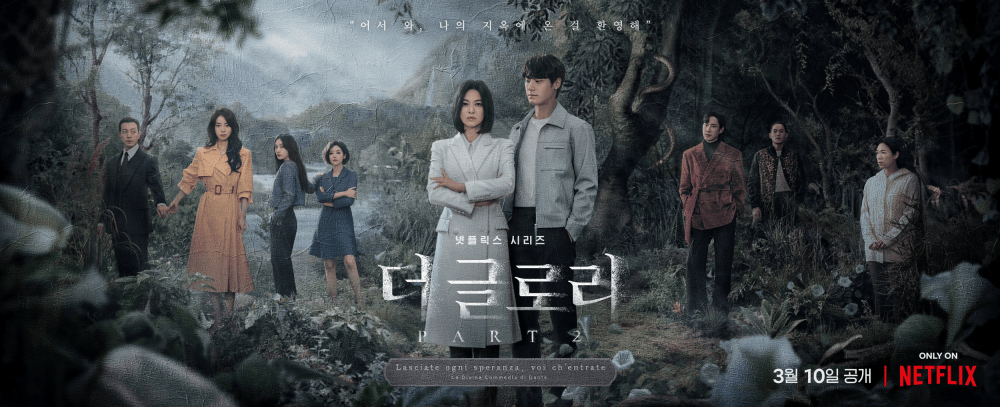
Part 1 and Part 2 of the Netflix series, inspired by true events, revolves around the life of Moon Dong-eun. She came from a broken home with a mother who had all but abandoned her. She cherished the dream of one day becoming an architect. She take to take odd jobs to survive and in the time that she had she studied hard. She is seen as a happy child before things took the turn for the worst.

On the other end of the spectrum, a gang of bullies. Park Yeon-jin, Jeon Jae-joon and Lee Sara came from wealth and had parents who threw money at anything that came in their children’s way. Accompanying them were Choi Hye-jeong and Son Myeong-o, though they were not well off like the others they were party to everything the other 3 did.

The storyline shows how over the course of the schooling years this gang of bullies ragged their fellow students and ruined their lives. They chose victims who were poor or from desolate homes. When the victims asked “Why Me?” Yeon-jin’s response was “Because I can and nothing will ever change for you”. That one statement shows that the bullying was not caused by an event but just for the pure pleasure of hurting someone.

Their bullying broke the protagonist Moon Dong-eun, but she sought to take revenge. She sought to change the what was told would never change. The whole plot is how she enacted her revenge on each of them for the crimes they had committed. The story also shows hope in a desolate circumstance through the love interest Joo Yeo-jeong.

Truly, a well scripted and picturized series worth the watch. The series awakens emotions in the viewers and drives you to join in the revenge plan of the protagonist.