Chaos with a Dash of Care

Daily writing prompt
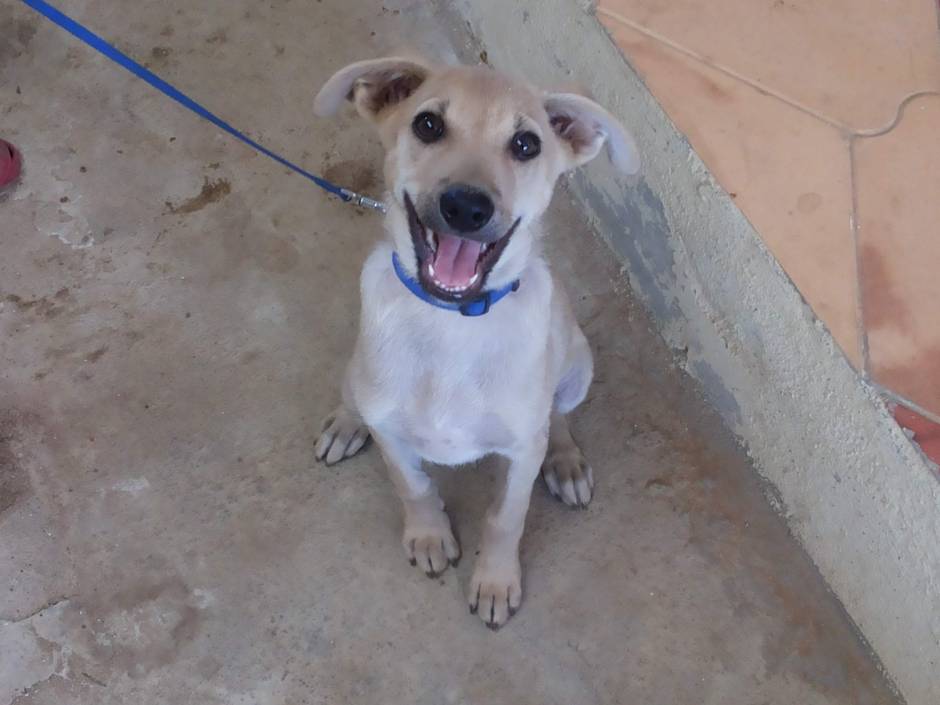
Share a photo of your pet and tell us one thing that makes them uniquely them.

When Scooby first came home, he was just a tiny two‑month‑old pup — small, curious, and endlessly playful. He ran all over the place, tugging at ropes, chasing shadows, and demanding games of tug‑of‑war even when I was too exhausted to keep up. His energy was always at level ten, and somehow, he never seemed to tire.

As he grew older, that playful spark never faded. He had this uncanny intuition that I was the youngest at home. Whenever I sat on the ground, worn out from playing, he would dash straight into me, bumping me with his little body before running off again as if nothing had happened. It was his way of saying, “I see you. Let’s keep going.”

But it’s in the quiet moments that Scooby truly surprises me. On days when sadness weighs me down, he seems to know. He doesn’t demand play or attention. Instead, he silently curls into my lap, tucking his head under my chin. His presence feels like a warm hug, a silent promise that I’m not alone. Sometimes I cry, and he gently touches his nose to my tears, almost as if he’s wiping them away. He stays there, small and still, until I’m ready to breathe again.

Of course, Scooby is also wonderfully silly — just like me. I’m accident‑prone, and he seems to mirror that clumsy streak. One night at 2 a.m., I woke to his muted whining and found him with his head stuck in a pot. Once I “rescued” him, instead of being scared, he bounded around the room, pounced on me as if to say “Wanna play?” and even kicked the pot with his back legs like a deer. When I tried to straighten it, he came back just to kick it again, proud of his little rebellion.

That’s the magic of pets. They don’t need grand gestures to make us happy. Their playful chaos, their quiet comfort, their silly antics — all of it slowly heals the broken parts of us. Scooby doesn’t just fill my days with laughter; he gives me strength to keep going.

Because sometimes, healing doesn’t come from words or advice. It comes from a pup who knows when to play, when to sit quietly, and when to remind you that joy is still waiting.

Too Many to Remember, A Few to Hold Close

What’s the best piece of advice you’ve ever received?

I have often wondered why advice rarely stays with me. People offer words of guidance when I am in deep trouble, and in those moments I cling to them, using them as lifelines. Yet once the storm passes, the words fade. If asked later what was said, I can barely recall. Perhaps advice is not meant to be stored like a quote in memory, but to be lived in the moment it is needed.

Still, a few pieces of advice have managed to carve themselves into my thoughts. One of them is simple but profound: you are the only person who will truly fight for yourself. No one else can fully understand where I come from. Not because people are shallow, but because it is impossible. Even a mother, who is said to understand everything, struggles at times. Circumstances change, generations shift, and the battles I face are not the same as hers. This advice reminds me that self-advocacy is not selfishness — it is survival.

Another piece of advice I hold close is to keep trying. The point is not to win every time, but to keep the possibility of winning alive. Effort itself is a form of hope. Even if success comes later than I want, it is better to keep the horizon open than to declare defeat too soon. Trying is not about immediate triumph; it is about refusing to close the door on possibility.

The Perfect Image

What’s something you used to worry about but don’t anymore?

I have never been a very confident person, largely because I never fit the appearance that society calls “beautiful.” As I grew older, the world seemed to grow meaner. As a child, I did not fully understand the taunts hidden behind sweet smiles and caring words. But with time, I began to hear the malice between the lines. Eventually, the mockery was no longer disguised, and the words broke me. At eleven or twelve, I did not have the emotional strength to look beyond the bad days. I withdrew from everything — from family, from the things I loved, from my dreams and hopes.

Yet growing older brought a realization: I could be perfect in every way, and people would still judge, still comment, still find something to tear down. Many speak without understanding the impact their words can have. Others live with the sole intention of hurting. You can never truly know another person’s motives, but you can choose not to acknowledge them. It is easier said than done, but if you begin today, over time it becomes a habit. Slowly, peace replaces the noise.

Society’s expectations are ever-changing. Just when you think you have done everything right, something shifts, and suddenly you are wrong again. For years, I kept adapting myself, trying to meet those expectations. But the moment I stopped caring about what others thought, I found happiness.

Now I do what I want. If people think I am silly or foolish, I no longer mind. Their judgment is fleeting, but my joy in those moments is lasting. A silly memory can bring back a smile long after the moment has passed. And in this world, happiness is the most precious thing one can have. So I choose to cherish my silliness, to hold onto my happiness, and to live beyond the weight of other people’s opinions.

Scenic Wonders in my Dreams

Daily writing prompt
What are your top 10 travel destinations?

I am not very keen on traveling. There are a few reasons for this. The first is that I am geographically illiterate. I do not know much about places, and I do not understand directions. I once took an hour to reach a destination only eight minutes away. Not exaggerating — it is a true story. The even more embarrassing part is that I had maps open on my phone the entire time. You would think I would make one wrong turn, realize my mistake, and correct it. But no, I kept ending up at the same starting point after taking multiple wrong turns.

The next thing that deters me is that I am not a calm traveler. My mind keeps inventing scenarios of losing important things, or even losing myself in a place where I do not know anybody. That slowly develops into an abnormal fear.

But setting aside these irrational fears, I do have a list of places I would love to travel. Ironically, most of them are places where you need to walk a lot.

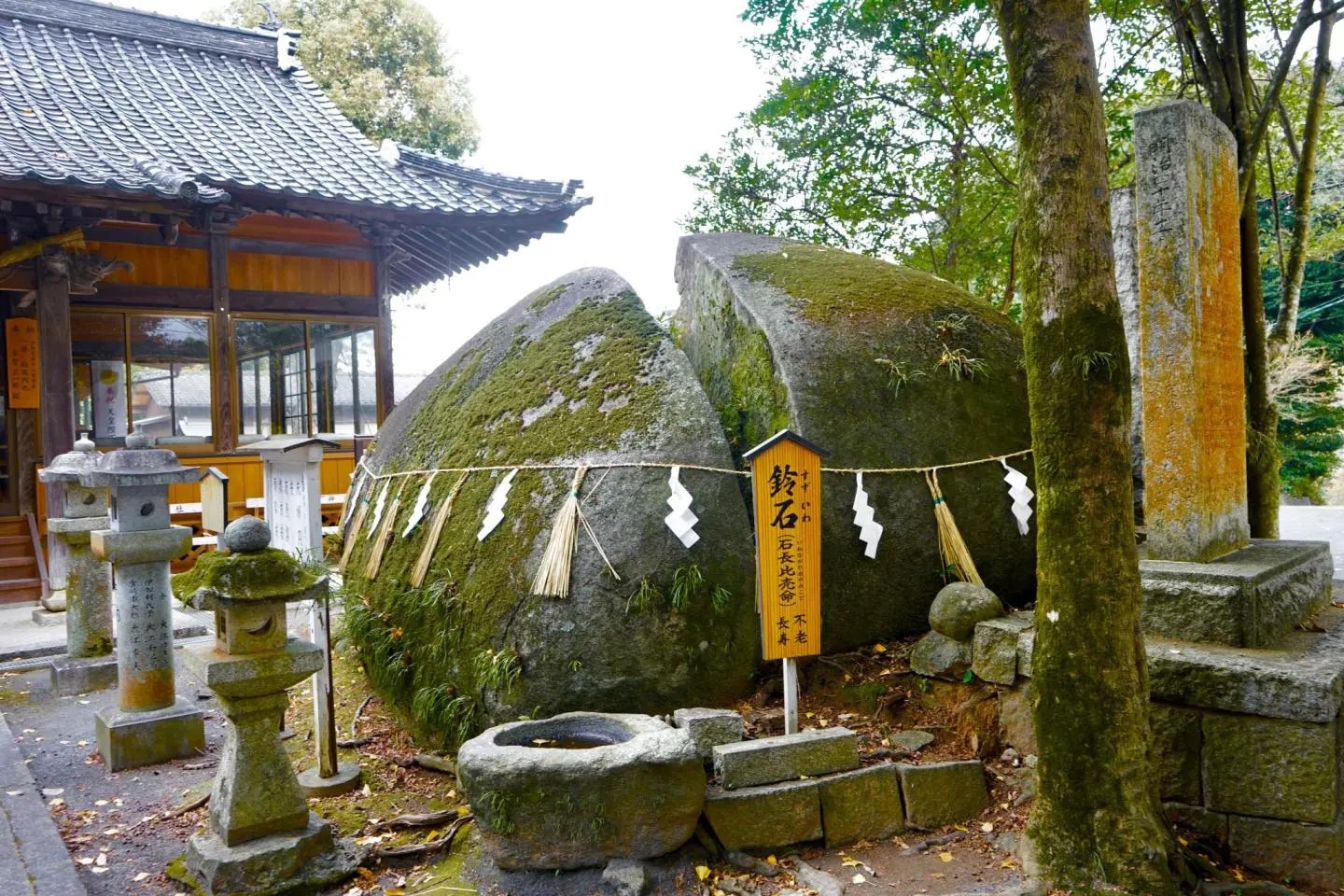
Japan has quickly risen to the top. The stationery industry there is revolutionary, and as a stationery enthusiast it feels like a dream. I have also become a big fan of the anime Demon Slayer. Many gardens in Japan have been drawn into the manga, and they look serene and beautiful. The Wisteria gardens and cherry blossoms especially call to me. I want to see them with my own eyes — the breeze, the sunlight streaming through the trees. It feels magical.

Santorini attracted me mostly because of the images I see online. Unlike Japan, I do not know much about this place, so I would want to research more before deciding what to visit. The architecture in the pictures is what drew me in. I imagine taking photographs and later sketching them into my art book.

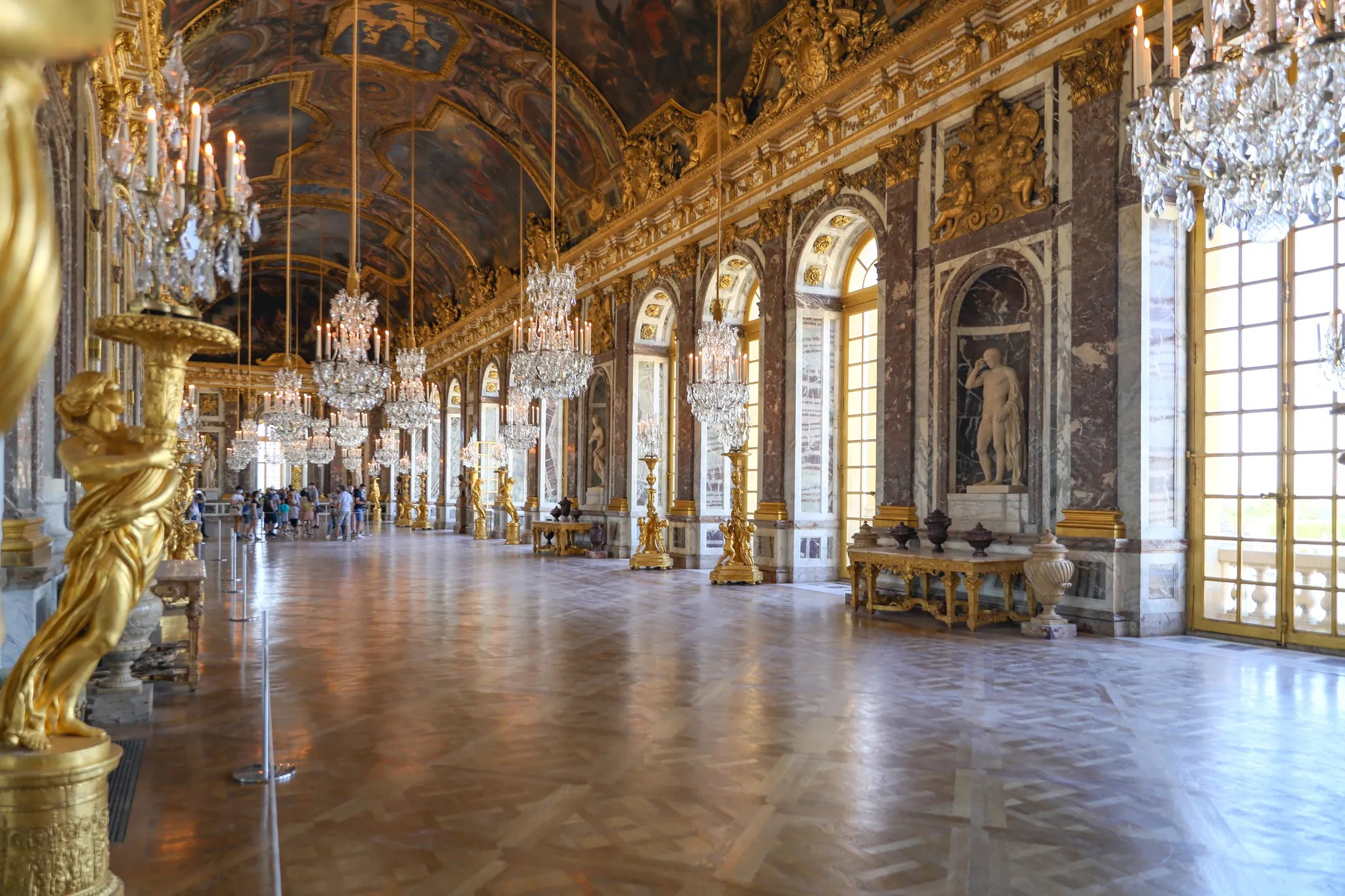
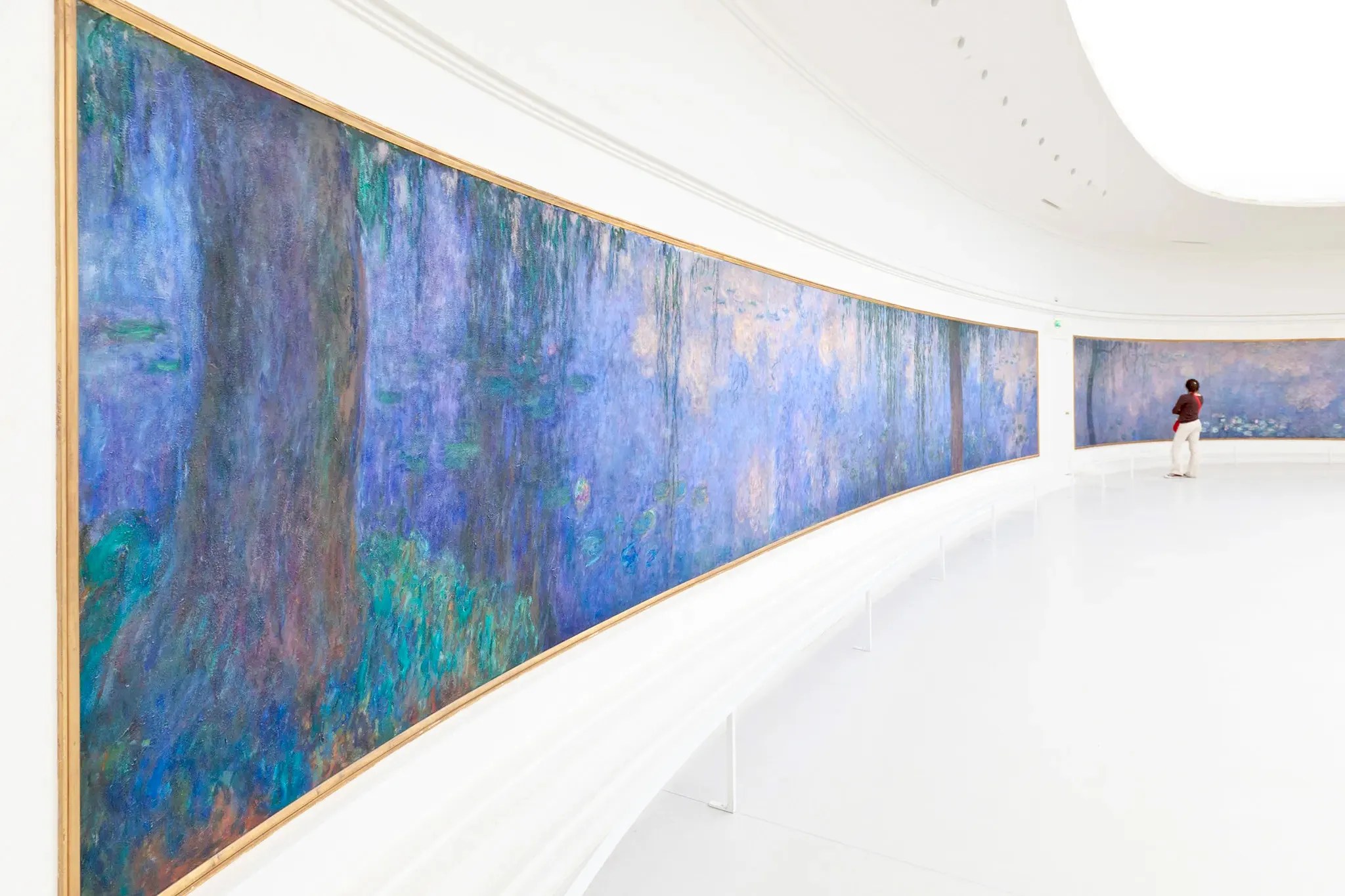
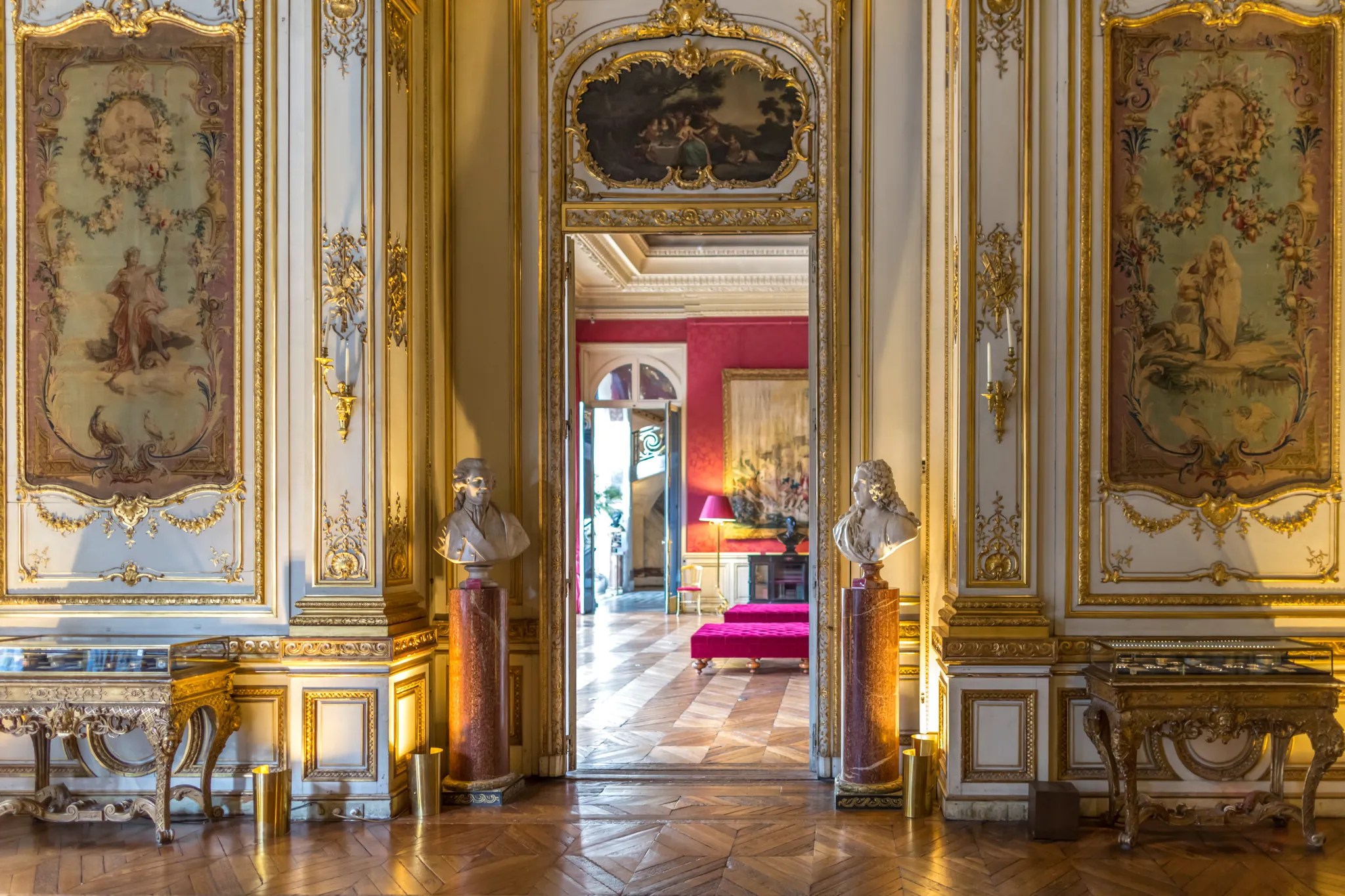
Paris may be cliché, but it belongs on the list. The architecture, the food, the ambience — all of it is enough to attract me. Disney World adds its own magic, and I would love to visit all the Disney attractions around the world. Tokyo Disney is also on my list. Beyond that, Paris seems to have beautiful museums where you can sit alone and admire art in silence. That is something I would treasure.

So for now, these three destinations are the ones I am sure of. My list may change, and I may never be a seasoned traveler, but these places live in my imagination. They remind me that travel is not only about movement — sometimes it is about longing, about the beauty we carry within us even if we never set foot there.

Words that Move

What is your favorite quote?

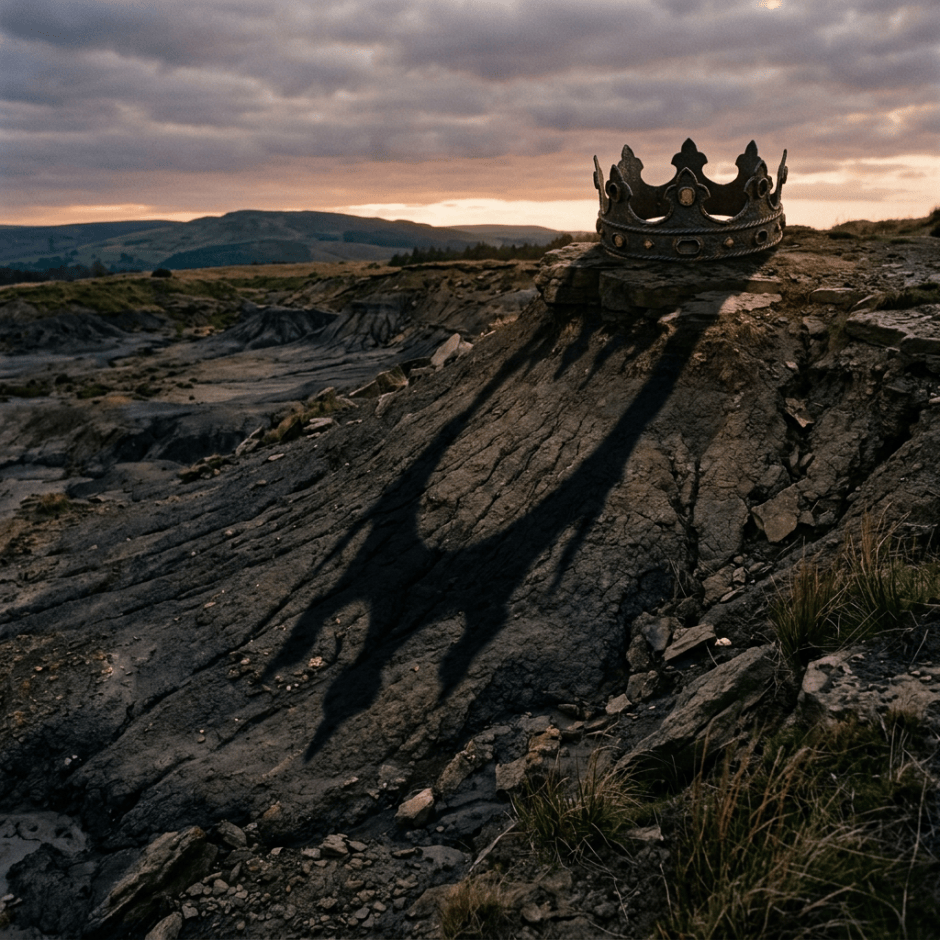
“Show me a Hero, I will write you a tragedy”

There have been many quotes that have resonated with me throughout my life, but one quote has always stayed with me.

There is so much depth and meaning packed into that single line. I have generally been a negative person, but this quote helps me look beyond that negativity. It reminds me that, despite how often I blame myself and feel like a failure, every person I admire has faced challenges of their own. They have failed, stumbled, and experienced moments where everything seemed to fall apart.

We rarely stop to consider the scars they carry or the struggles they endured to reach the heights at which we see them today. This quote shifts my focus from their success to their journey. It reminds me of their setbacks, failures, and perseverance.

It is not the shining crown that motivates me. It is the realization that these successful people are just like me. They are not perfect. They found a way forward despite their imperfections, mistakes, and obstacles.

I have always considered this to be the quote I relate to most. While I may come across many other quotes with profound meaning, this one has carried me through my weakest moments. It has helped me on days when I felt the whole world was against me, and it has given me the strength to keep moving forward.

Be yourself but more

If you had to give one life-changing tip, what would it be?

“Be yourself.” Most of us have heard this line at least once, perhaps on a billboard or tucked into an advertisement. It’s become such a cliché that its meaning often slips away. Yet, beneath those two words lies a strength that can be interpreted in countless ways.

Like many motivational phrases, its meaning shifts depending on who hears it. In today’s world, where right and wrong seem to change with circumstance, “be yourself” can be a life-affirming call to embrace imperfection. But for someone blinded by narcissism, it can become a justification for harmful traits. That’s why I believe the phrase needs an unspoken addition: Be yourself — but do not destroy another.

You cannot truly be yourself if your choices trample someone else. Selfishness in moderation is healthy. Walking away from a toxic situation is not weakness; it is strength. Some may call you fragile for leaving without “making the other pay,” but in truth, it takes far more courage to walk away than to stay and retaliate.

Most people carry pain — not the physical kind, but the soul-crushing kind. The world is crueler than it appears on the surface, and we rarely know what battles others are fighting. Never change for someone who only wants to mold you into their world. Change for someone who wants to grow with you, to build a shared space where both can belong. And sometimes, walking alone is also being true to yourself — because solitude can be the path to finding your place in the world.

In the end, being yourself is not about defiance or conformity, but about choosing a way of living that honors your truth without diminishing another’s. It is about carrying kindness alongside authenticity, and realizing that the most genuine version of yourself is the one that makes space for both courage and compassion.

Dreams and its Manifestations

I am glad today that I have started dreaming again. In my opinion, you only have dreams when you have hope, and if you had spoken to me a year ago, I probably had no hope. That slowly killed any dreams I had. Now, come to think of it, I have revived some of my old dreams and added a few new ones to the list.

There are many dreams I hold — some tied to reality, others to fantasy. But here is a question: do I say my dream out loud to manifest it, or do I work in silence and revel in it materializing into reality? Here’s to throwing caution to the wind. My dream is to have a home of my own and to be a writer. These are definitely the most outrageous ones on my list.

Writing has always been my passion. I do not need to be a full-time author, but to even write something that others would like to read would be enough. I want to open doors to new worlds of imagination just like books have done for me. As a child, I didn’t understand the world and its problems — everything felt too life-altering. In that small frame of mind, books gave me an escape from reality. They showed me characters of great strength, worlds where magic was possible, and how a protagonist could change the world.

But my dream of writing is not only about stories. It is about leaving behind pieces of myself in words that might comfort someone else, or spark reflection in a stranger. It is about capturing fleeting emotions before they vanish, giving them permanence in sentences. Writing is my way of building bridges between my inner world and the minds of others. It is also my declaration of individuality — a space where no one dictates the rhythm of my sentences or the worlds I create. In writing, I find the same freedom I long for in a home of my own.

The other dream I have always kept close to my heart is the dream of a house of my own. It is a strong desire to express my individuality. I am the youngest at home, and in my family the elders always hold sway in decisions. I do have a room of my own, and one would say that is a luxury in itself. However, I cannot change anything in the room without permission from my parents or elder sister. Not that it is a bad thing — I tend to make impulsive decisions — but I would really like to decorate my home to match my aesthetics. Our family home is my mother’s space, and I would not want to disrupt her image of a perfect home. Yet seeing her has also inspired me. It is one reason I want to make a space of my own, free of the influences of my family, where every corner reflects me.

Day 221: Trying to

have heard over and over again that to develop good behavior you don’t need to be perfect — you just need to be consistent. But that’s where I struggle. I always want things to be good because I don’t want people to find fault in what I do. I think I probably want their appreciation, but the main thing I worry about is someone saying that it’s bad. I don’t particularly want everyone to like what I do, but I really don’t want anyone to hate it. Is that a shallow thought? I end up spending way too much time trying to perfect the things I do, and at some point I feel it’s taking too much time. Then I decide it isn’t worth it, and my hope of starting a good habit fades away. With the pressure of work and studies, good habits fall out of the list of things that get done in the day.

I wanted to make exercise a daily thing just to keep myself healthy. I tried for three months, but the body aches kept getting worse and worse until I gave up. The thought of pain made me want to take a break. I kept thinking I would get back to it, but the truth is I never actually did.

I wanted to stop eating outside food and start cooking at home. I wanted to learn different recipes. I don’t have a refined palate — if it were up to me, I could probably live on instant food for the rest of my life. But I knew it wasn’t healthy, and I wanted to eat better. I managed to cook for two days in a week, and then I was done. By day two I felt exhausted and didn’t have the energy to try again.

Another thing I lose is my hobbies and passion projects. I wanted to start writing again. I’ve always wanted to write my own novel. When I was 13, I wrote the first chapter after months of creating characters and a plot line. It took me four months because I kept re‑editing it. But as schoolwork increased, I dropped the weekly writing practice.

I also wanted to continue improving my art skills. I started drawing whenever I found time — between school notes and random pieces of paper. Over time, I collected a lot of sketches stuffed into a file. I wanted to learn portrait painting, but I never put in the time to improve.

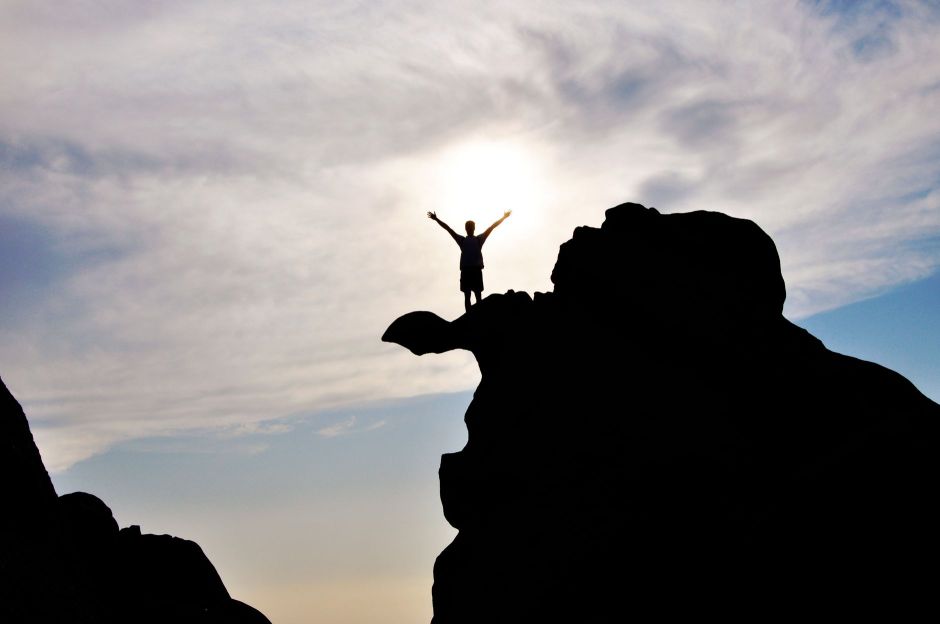
When it comes to sleep versus good habits, sleep wins. And when work and study come into the picture, hobbies fall off my mind. I am trying to stay consistent. I am trying to make a better version of myself. This year I thought I would start doing things every day, but it’s like I start and then stop, start again, go on for some days, and then stop again. Consistency is my Everest, and I am hoping that maybe this time around, I can conquer it.

Evil or Experienced

Daily writing prompt
What villain actually had a good point?

Stories are powerful teachers. For many of us, childhood tales from Disney painted morality in stark colors: the hero was pure, kind, and destined to win, while the villain was cloaked in black, ugly in appearance, and evil without reason. These portrayals ingrained in us the idea that people can be neatly divided into “good” and “bad.”

But when I first encountered the Grimm brothers’ tales, I realized how much had been softened in translation. In the original stories, true love did not always conquer, and good people did not always find happy endings. Villains were not born evil — they were often victims first, shaped by cruelty, misfortune, or betrayal. Their darkness was not innate but a reaction to the hand life dealt them.

This perspective challenges the simplistic binaries of morality. The eternal nature versus nurture debate becomes less important than the question of adaptation: how does a person respond to suffering? Some rise above it, choosing compassion despite pain. Others break under its weight, making destructive choices that ripple outward.

And here lies the unsettling truth: morality is relative. The villain in your story may be the hero in someone else’s. A person who hurt you may have protected ten others. Where do we draw the line — with the child who was tortured, or the adult who now tortures? The answer is never simple.

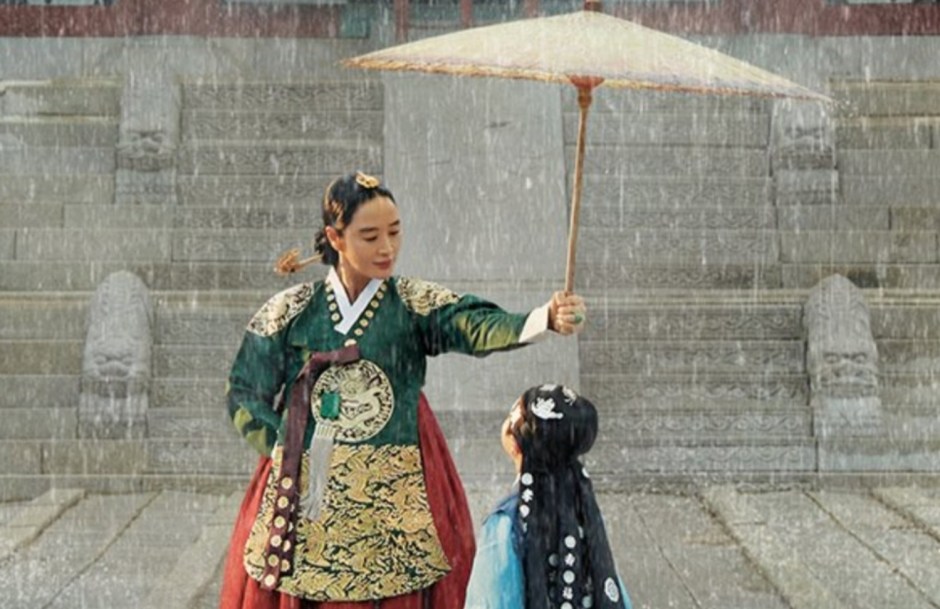
Modern storytelling embraces this complexity. Characters like Maleficent or Killmonger resonate because they are not evil for evil’s sake. They embody pain, injustice, and survival. We may not condone their actions, but we understand them — and that makes them hauntingly real.

The lesson villains teach us is sobering: no one in this world has your absolute good in mind. Even family, often the closest bond, may not always act with pure selflessness. This does not mean we should live in paranoia, but rather in awareness. Stories remind us not to close our eyes and blindly trust, but to see people as they are — complex, flawed, capable of both harm and kindness.

Day 218: Falling, Failing and Finding a way to hold on

It has been more than 200 days since my diagnosis was confirmed, and the weight of it still lingers. I often feel like I’m falling—slipping into fear whenever I think about being alone. The thought of pain flaring up and causing me to stumble or collapse is always at the back of my mind. Independence, something I once took for granted, now feels fragile.

There are days when I feel like I’m failing. I want to reassure my family that I can manage on my own, that I am capable of caring for myself. Yet doubts creep in, whispering that I’m not strong enough. I don’t ask for extraordinary achievements; I only want to do the ordinary things—tasks that make up a normal life—without fear or dependence. But impatience grows as each month passes, reminding me that I’m not yet back to my old self. The mantra “You are better than before” has started to lose its power, and negativity presses harder against the walls I try to build.

And yet, I keep searching for a way to hold on. I remind myself that healing is slow, that years of damage cannot be undone in months. I look at people who seem to carry positivity like a shield and wonder how they manage it all day long. Their willpower feels extraordinary. If I could capture even a fraction of that strength, I believe I could reshape my life.

Holding on doesn’t mean ignoring the fear or denying the setbacks. It means acknowledging the falls, accepting the failures, and still choosing to keep moving forward. That, I think, is where resilience begins.